Drone Filming for the BBC

Robbie Cumming and His Canal Boat Diaries — Aerial Storytelling by Halo Vue
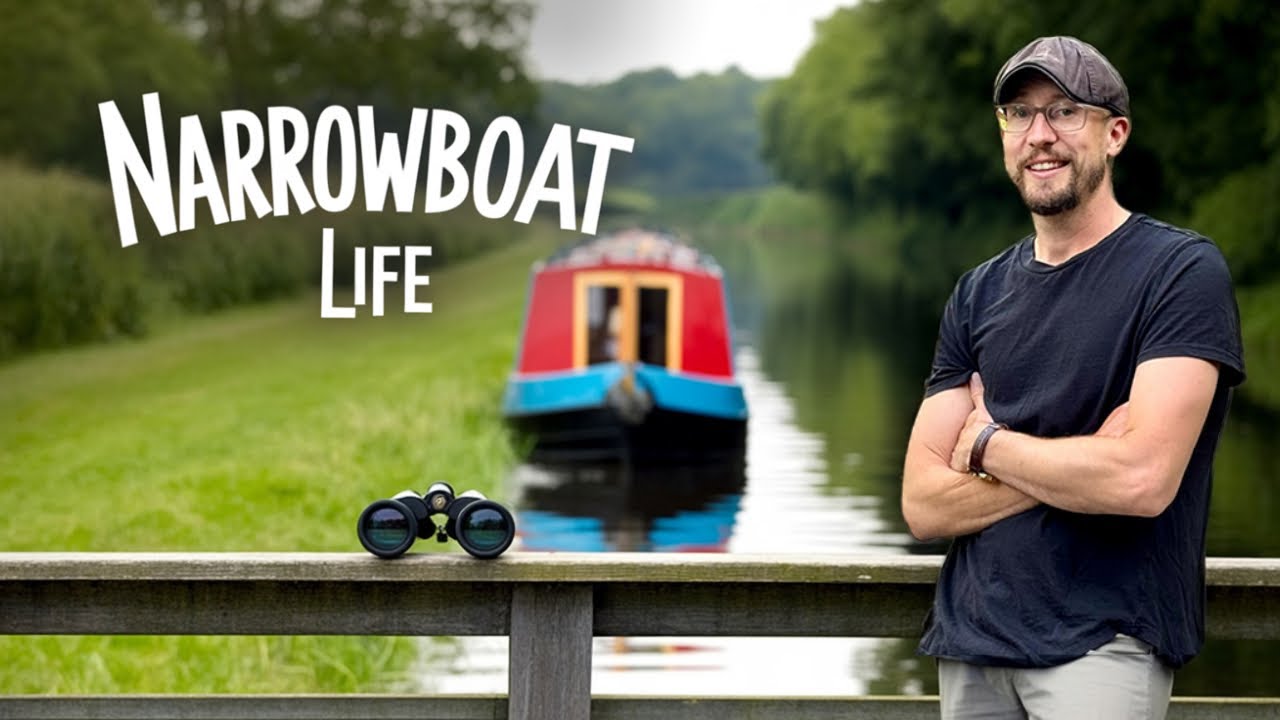
Canal Boat Diaries — Trusted Aerial Partner Across Seven Series

Seven series. Hundreds of miles. One continuous journey through the UK’s waterways.

From the quiet stillness of early morning canals to the movement and rhythm of life on board, Canal Boat Diaries offers a uniquely personal view of Britain — told through Robbie Cumming’s lens.

Our role was to take that story to the next level — capturing the scale, beauty, and geography of the journey from the air, and bringing a cinematic perspective to an otherwise intimate production.

The Production

Conceived and expertly produced by TV producer Stuart Woodman, Canal Boat Diaries began with a simple but compelling discovery — Robbie Cumming’s life on the waterways, first shared through his YouTube videos.

Recognising the strength and authenticity of Robbie’s storytelling, Stuart developed the concept into a television series that quickly built a loyal audience, going on to be commissioned for Series 2 through to 7.

At its core, the programme stands apart from traditional travel or documentary formats. Rather than relying on large crews or heavy production, it embraces a stripped-back, highly personal approach to storytelling.

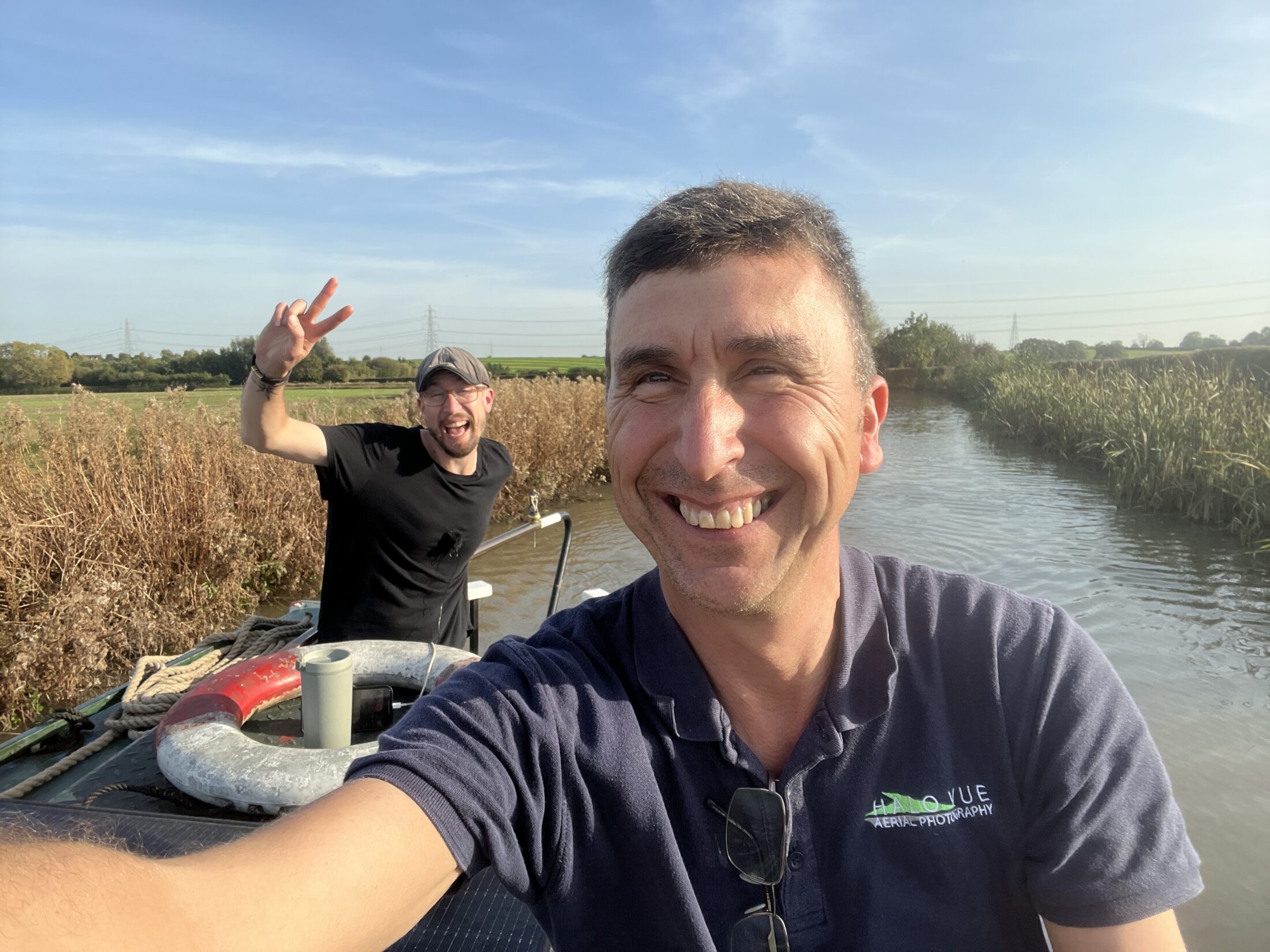
Robbie presents and films much of the journey himself using an iPhone, creating an honesty and immediacy that feels completely natural — placing the viewer right there with him, experiencing the rhythm, solitude, and simplicity of life on the waterways.

This combination of minimal production and strong creative vision is what defines Canal Boat Diaries — a programme that feels both intimate and expansive, simple in its execution yet rich in atmosphere and storytelling.

The Human Side of the Story

Part of what makes Canal Boat Diaries so compelling is its unpredictability.

While viewers at home enjoy the calm, scenic beauty of the UK’s waterways, Robbie is often quite literally neck-deep in the reality of canal life.

Over the years, he’s become well known for the occasional mishap — slipping into the canal, dropping his phone overboard, clipping bridges, getting stuck in locks, losing GoPros, or dealing with the less glamorous side of life afloat… from oil leaks to a full waste tank at the worst possible moment.

These moments aren’t edited out — they’re part of the story.

They bring honesty, humour, and relatability to the series, showing canal life exactly as it is — not just the peaceful, cinematic moments, but the chaos that inevitably comes with it.

The show’s popularity has even carried over into primetime television, featuring on Gogglebox, where its mix of calm storytelling and unexpected disaster has made it a firm favourite — often with celebrities reacting to Robbie’s misadventures from the comfort of their sofas.

It’s this balance of beauty and unpredictability that audiences connect with — and a big part of why the show has built such a loyal following.

Our Role & Approach

As the series evolved, we became the preferred drone filming company, trusted to deliver cinematic aerials across every episode for seven consecutive series.

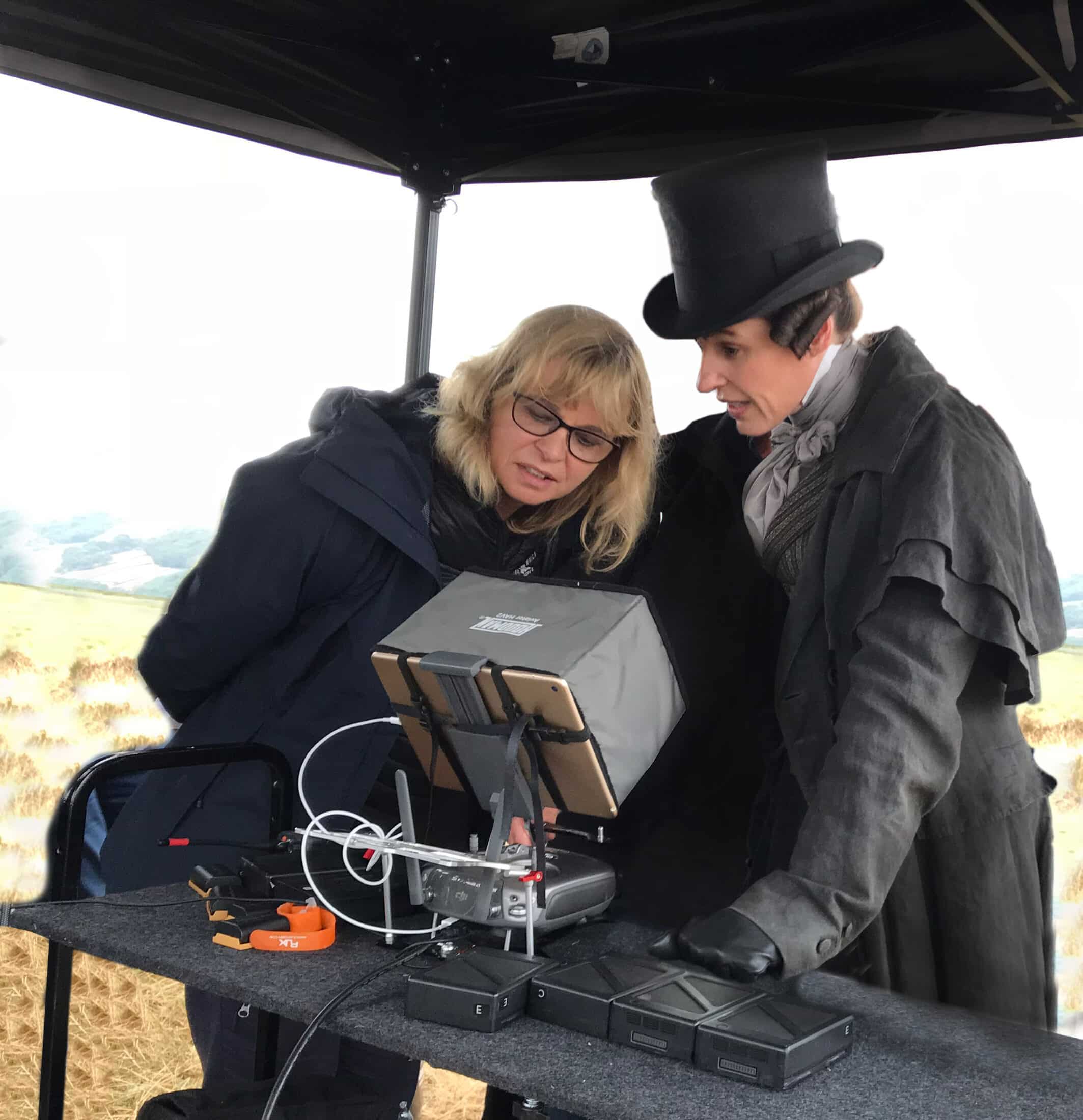
Working closely with production, our role was to enhance the narrative — adding scale, atmosphere, and a strong sense of journey, while carefully preserving the raw, personal feel that defines the programme.

Filming from Robbie’s narrowboat, The Naughty Lass, brings its own unique challenges. With limited space and safety considerations on board, the majority of drone flights were launched from towpaths — with permission from the Canal & River Trust — ensuring fully compliant operations without compromising on visual quality.

We travelled with the boat throughout production, often stopping along each route to capture aerial sequences that complemented the ground footage — frequently walking long stretches of canal towpaths to track the journey and find the right vantage points.

The result is aerial cinematography that feels seamlessly woven into the story, rather than added on top.

canal boat diaries, Robbie Cummings, drone pilot, frone filming , BBC, canals, canal and river trust
canal boat diaries, Robbie Cummings, drone pilot, drone filming , BBC, canals, canal and river trust

Production & Locations

Each episode of Canal Boat Diaries typically took between 5 to 10 days to film, with every series covering a different stretch of the UK’s canal network — often spanning hundreds of miles and a constantly changing landscape.

One of the defining characteristics of the series is that contrast. In a single journey, filming can move from the quiet stillness of open countryside — rolling hills, remote towpaths and uninterrupted waterways — straight into the heart of the UK’s busiest towns and cities, where canals weave through dense urban environments, tight spaces, and historic industrial infrastructure.

This shift in scenery is central to the visual storytelling, revealing a side of Britain that is rarely seen — where peaceful rural life and inner-city industry exist side by side, connected by the same waterways.

That contrast also brings very real challenges. In urban environments, finding safe and secure places to moor overnight becomes a priority, with busy city locations often attracting unwanted attention. In contrast, rural stretches offer peace and isolation — but come with their own limitations, including a lack of nearby facilities such as shops, services, or easy access points.

Each location requires careful planning and constant decision-making, balancing safety, logistics, and the practical realities of life on the water.

  • Series 1 — The original journey that introduced audiences to Robbie’s life on the waterways, establishing the format and tone of the series while capturing a mix of rural canals and urban routes.
  • Series 2 — Beginning at Ellesmere Port, the journey followed the historic waterways through the North West and into the Midlands, finishing in the heart of Birmingham’s canal network.
  • Series 3 — Starting in Wigan, the route travelled through Lancashire and into Yorkshire, navigating a mix of industrial heritage and open countryside before concluding in Ripon, North Yorkshire.
  • Series 4 — Launching in Sheffield, the journey crossed key canal routes through the Midlands, finishing at Braunston — widely regarded as the historic centre of the UK canal system.
  • Series 5 — Beginning at Braunston, the route travelled south along the Grand Union Canal, passing through key junctions, rural stretches, and increasingly built-up areas before finishing at Little Tring.
  • Series 6 — Starting at Napton Junction in Warwickshire, the journey followed the canal network south, moving between open countryside and tighter urban waterways before finishing in Aylesbury.
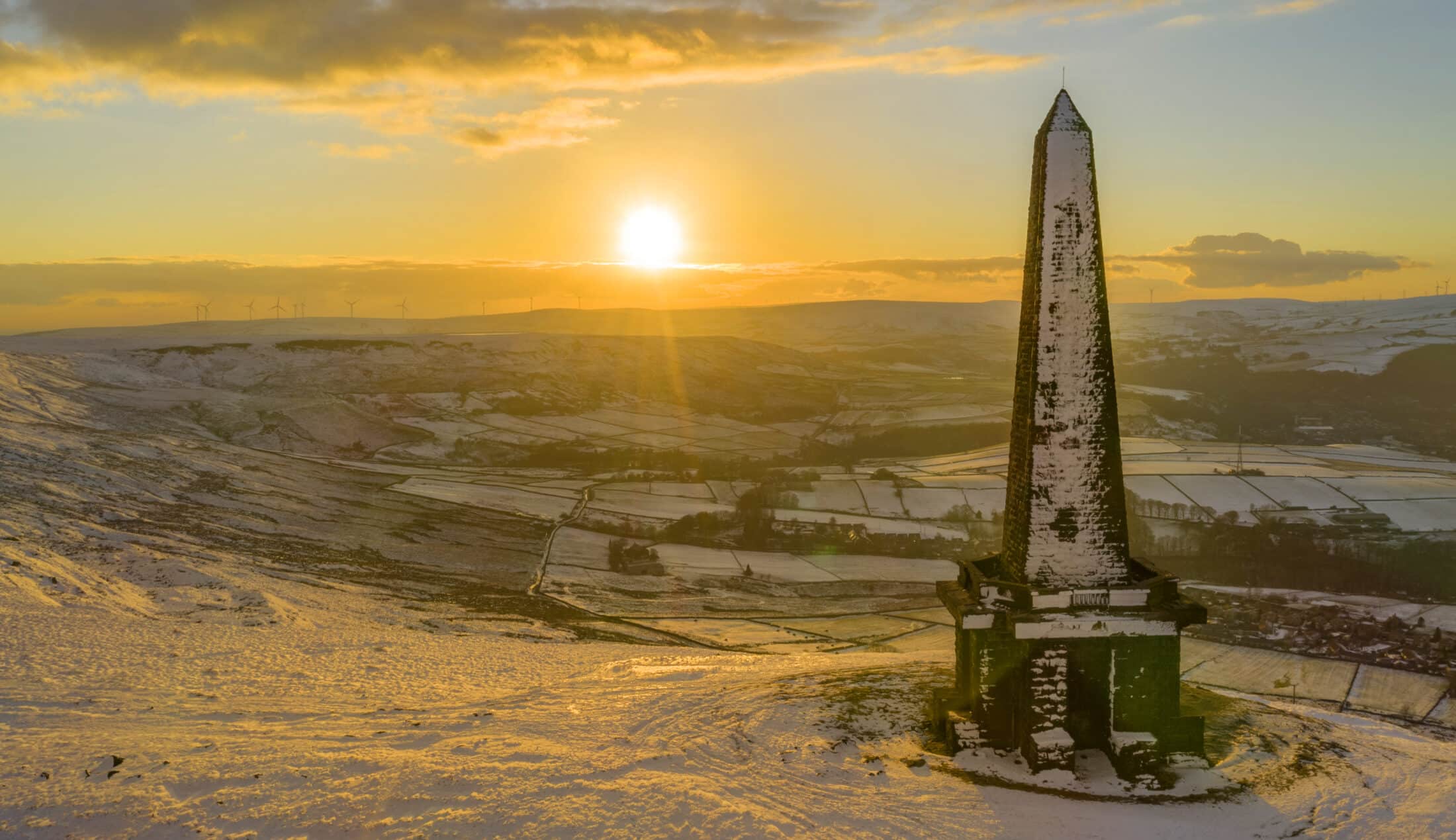
  • Series 7 — Beginning in Llangollen, North Wales, the route travelled through some of the UK’s most scenic and technically challenging waterways, crossing between remote landscapes and more urban environments before concluding in Sowerby Bridge, West Yorkshire.

Despite the scale and variety of these journeys, the production remained intentionally small — allowing for a highly flexible and immersive style of filming.

Scaling the Production

With the move from the BBC in Series 1–4 to a new production company, Middlechild Productions, for Series 5, 6 and 7 — and the transition to U&Yesterday — the production expanded significantly in both scale and ambition.

Episode numbers increased from 4 to 10 per series, with drone filming alone reaching around 50 days across a five-month period. This required consistent delivery of high-quality aerial cinematography across extended schedules and multiple locations.

With a larger production came greater demands — tighter turnarounds, more complex logistics, and the need to operate seamlessly across a wide range of environments.

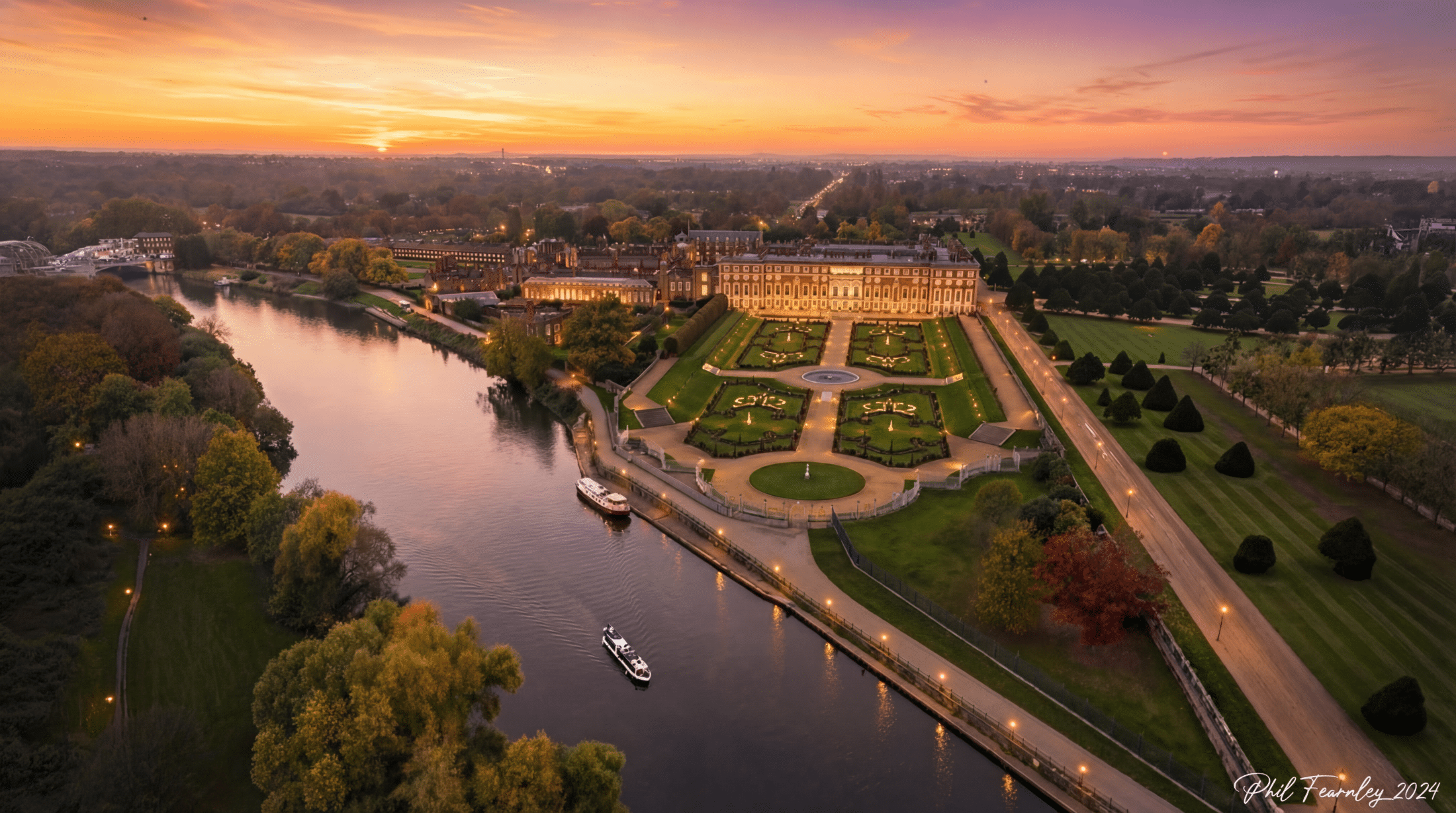
On Series 6 in particular, filming took us through several highly restricted airspace zones, where flight permissions had to be carefully coordinated and approved in advance — including operations around Windsor and into central London. Each location required detailed planning, clear communication with relevant authorities, and strict adherence to regulations, all while maintaining production schedules.

From remote rural waterways to busy urban canals and controlled airspace, every shoot demanded adaptability, precision, and a consistent cinematic standard throughout.

Let's Talk About Your Project

Whether you're planning a national TV series or a cinematic brand film, we'll help you capture every story from above.